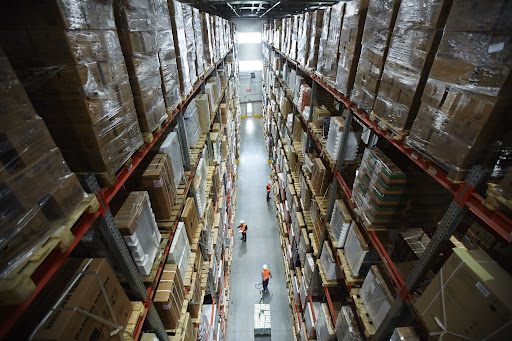
Some businesses cannot rely on a standard warehouse setup. When products are more sensitive to heat, humidity, or unstable conditions, storage becomes a much more important part of fulfillment. It is not only about where stock is kept, but how well that environment protects product quality before dispatch.
That is why many growing brands first explore ecommerce warehousing and fulfillment in Malaysia before narrowing their search to providers that offer more specialised handling conditions. For certain categories, the right storage setup can protect more than inventory. It can also protect consistency, customer trust, and brand reputation.
Why businesses look for specialized storage
Not every product needs the same warehouse environment. Some items can sit in a normal storage area with no major issue. Others require more care because exposure to heat, moisture, or poor air circulation can affect them over time.
This is why businesses in categories like beauty, skincare, supplements, wellness products, and selected lifestyle goods often look beyond general fulfillment. They want to know whether the provider can support better storage conditions as part of the overall operation.
In many cases, the question is not simply where to store stock. The better question is whether the warehouse environment matches the needs of the product.
Cold storage and controlled storage are not always the same
When businesses search for specialised fulfillment, they often use the term cold storage quite broadly. But in practice, there is a difference between full cold-chain storage and a more carefully managed warehouse environment.
Some products truly need chilled or refrigerated conditions. Others may not need that level of cooling, but still benefit from a controlled humidity warehouse that reduces moisture exposure, direct sunlight, and unstable storage conditions.
That distinction matters because choosing the wrong type of setup can lead to unnecessary cost or poor product handling. A business should first understand what its products actually need before narrowing down the right fulfillment partner.
What types of products need more careful handling
Products that may benefit from more carefully managed storage conditions include:
- skincare and cosmetic products
- beauty accessories
- health and wellness items
- supplements
- personal care products
- selected products with sensitive ingredients
- goods that can be affected by moisture or heat
For these categories, storage is not a small technical detail. It is part of product protection. If the warehouse environment is not suitable, problems may appear before the goods even reach the customer.
That is why businesses in these categories often review storage standards just as seriously as fulfillment speed.
What to ask before choosing a fulfillment partner
When comparing providers, businesses should ask practical questions that go beyond general sales claims. A warehouse might sound suitable on paper, but the day-to-day setup matters more.
Useful questions include:
- What type of storage environment do you provide?
- Do you manage humidity or temperature in specific sections?
- Are goods exposed to direct sunlight?
- What categories of products are best suited for your setup?
- How do you handle inbound and outbound stock for more sensitive items?
- Can your storage and fulfillment process work together smoothly?
- What precautions are in place to protect stock quality?
These questions can help businesses understand whether the warehouse is actually suitable for their products, rather than simply available.
Why storage quality affects fulfillment performance
Fulfillment is not only about speed. A fast dispatch process loses value if products are not stored properly before they are packed and sent out.
This is one reason businesses should review storage quality and warehousing and fulfillment services as part of the same decision. A stronger setup should support both protection and efficiency. Products need to be kept in suitable conditions, then moved through picking, packing, and dispatch without unnecessary delays or handling issues.
When storage and fulfillment work well together, businesses usually see better consistency and fewer avoidable operational problems.
Final thoughts
Finding the right fulfillment partner for sensitive products takes more than comparing rates and warehouse size. Businesses need to know whether the provider can offer the right environment for the products they store, and whether that environment supports the wider fulfillment process.
For some brands, that may mean true cold storage. For others, it may mean a more controlled warehouse environment that protects products from heat, moisture, and unstable conditions. Either way, the goal is the same: better protection, smoother operations, and a more reliable customer experience.