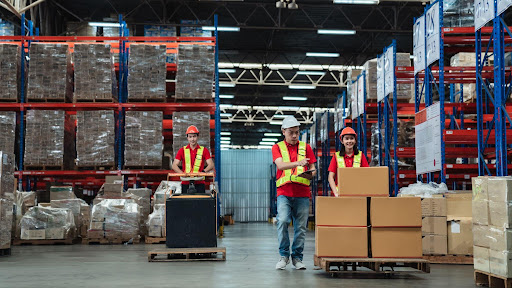
When an ecommerce brand is still small, handling orders in-house can feel manageable. A few shelves, a simple packing area, and a courier pickup arrangement may be enough at the beginning. But once orders grow, things become more complicated. Stock needs to be stored properly, order accuracy becomes more important, and the team starts spending more time on operations instead of growth.
That is usually the stage where businesses start looking for warehousing and fulfillment services that can support daily operations without creating more pressure. The goal is not only to store products. It is to create a smoother backend that helps the brand stay organised, fulfil orders accurately, and scale with more confidence.
Why fulfillment becomes more important as your brand grows
Growth is exciting, but it also exposes weak points in operations. Goods are more difficult to trace, the returns become more difficult to handle, and the packing errors begin to influence the customer satisfaction. What worked manually might not be sufficient any longer.
These problems can be addressed with the help of a good warehouse and fulfillment system, which will provide a more organized system of receiving, storing, picking, packing, and delivering orders. This will enable the businesses to have more time to concentrate on sales, product development and customer growth rather than firefighting backend problems on a day-to-day basis.
Fulfillment is no longer a logistics operation in the case of ecommerce brands. It is integrated into the general customer experience.
Good warehousing is more than just storage space
A lot of businesses continue to believe that warehousing is merely placing the products on racks. The quality of storage in reality influences all that follows it. When the warehouse is not well organised, too hot, too dusty or not well managed, then there is a greater chance of stock damage, inventory problems, slowness in processing and irregular handling of orders.
An improved design is conducive to security as well as effectiveness. A good warehousing should assist businesses in maintaining stock in an orderly manner, increase the rate of retrieval and minimise redundant handling mistakes. It must also enable proper visibility of stocks to ensure that businesses know what is moving and what should be addressed.
This is particularly crucial to ecommerce brands whose products require a more hygienic and stable setting. Beauty, wellness, personal care and the likes may be more sensitive to the conditions of storage than many businesses may be aware.
Why warehouse conditions matter for sensitive products
Some products can tolerate a basic storage setup. Others cannot. Heat, moisture, direct sunlight, and unstable conditions may not show visible effects immediately, but they can still affect product quality over time.
This is where a controlled humidity warehouse becomes more relevant. For businesses handling skincare, cosmetics, supplements, wellness products, or selected lifestyle goods, a more stable storage environment can help protect product condition before the items even reach the customer.
Proper warehouse conditions should not be treated as an extra feature. They are part of product care. When stock sits in the wrong environment for too long, the issue is not only about storage. It can affect product consistency, customer trust, and repeat purchase confidence as well.
Accuracy is just as important as speed
Speed of delivery is also a concern of brands, but accuracy is equally important. Sending out the incorrect product, lack of an item or poor packing of an order leaves a poor customer experience and contributes to additional work on the part of the team in the future.
A more robust fulfillment system will mitigate these risks by establishing a more regulated process of stock intake to final packing. Stock keeping, labeling, picking flow, and outbound checks are all good to minimize unnecessary errors.
The warehouse might not be visible to the customers, but they will always know when the order is late, damaged, or wrong. This is the reason why the quality of fulfillment has a direct influence on brand perception.
What to look for in a fulfillment partner
When comparing fulfillment partners, businesses should look beyond just storage capacity. A more practical checklist would include:
- warehouse cleanliness and organisation
- stock visibility and inventory tracking
- secure handling processes
- suitable conditions for sensitive goods
- picking, packing, and courier handover support
- flexibility to scale up or down
- experience handling ecommerce operations
A good partner should make operations easier, not more complicated. The goal is to create a smoother backend that supports accuracy, consistency, and growth.
Why flexibility matters for growing brands
A lot of businesses do not need a huge warehouse. What they need is a setup that can grow with them. That could mean more storage during busy campaign periods, less during slower months, and the ability to adapt operations without changing the whole system.
That kind of flexibility is often more valuable than size alone. It gives brands room to grow without overcommitting too early or taking on unnecessary fixed costs.
For growing ecommerce businesses, the right warehouse partner should offer structure and flexibility at the same time. That combination helps brands stay efficient now while preparing for larger scale later.
Final thoughts
As ecommerce becomes more competitive, backend operations matter more than ever. Good products and strong marketing can bring customers in, but smooth fulfillment is what helps keep the experience consistent.
Brands that want to scale in a more controlled way should not look at warehousing as a basic storage function. It is part of operational efficiency, part of the customer journey, and part of long-term growth. A stronger setup today can prevent many avoidable issues tomorrow.