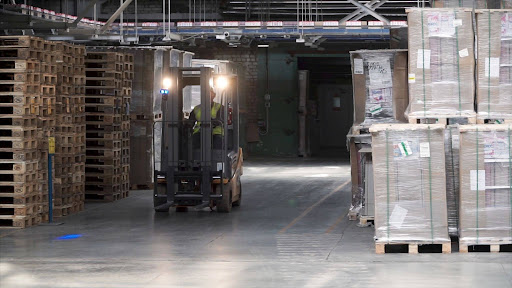
When businesses compare warehouse distribution companies, they often focus on delivery speed, storage space, and location. Those are important, but for some products, storage condition matters just as much as movement.
This is especially true for brands handling goods that can be affected by heat, moisture, or unstable warehouse conditions. In those cases, choosing a provider with the right storage environment is not only about protection. It is also about consistency, product quality, and customer confidence. Many businesses start by understanding how warehouse distribution works in Malaysia before narrowing down providers that can support both stock movement and product care.
Why storage conditions matter in distribution
Distribution is not only about getting products out quickly. It also involves what happens while products are waiting to move. If stock sits in a poor environment before dispatch, quality issues can start long before the parcel reaches the customer.
For products in categories like beauty, skincare, wellness, health-related goods, and selected lifestyle items, temperature and humidity can affect condition over time. Even if the product looks fine externally, poor storage can weaken consistency and increase risk.
That is why warehouse conditions should be part of the evaluation process when choosing a distribution provider, not treated as a separate concern.
What products need more controlled handling
Not every product requires special storage, but some categories usually benefit from more stable conditions.
Examples include:
- skincare and cosmetic products
- beauty tools and accessories
- supplements and wellness products
- selected personal care items
- products with sensitive ingredients
- goods affected by direct sunlight or moisture exposure
For these businesses, storage conditions are closely linked to brand reputation. A smoother distribution setup is helpful, but it becomes even more valuable when paired with stronger product care.
Temperature control and humidity control are not the same
Many businesses assume temperature control and humidity control mean the same thing, but they are not exactly identical. A cooler environment may help with heat, while humidity control focuses more on managing moisture in the air.
Depending on the type of product, one may matter more than the other. In many cases, businesses need a provider that understands both instead of offering a very basic storage setup.
That is why it helps to ask warehouse providers specific questions about the actual environment, rather than relying only on general phrases like “safe storage” or “good warehouse condition.”
What to ask warehouse distribution companies
If storage condition matters to your business, these are useful questions to ask before choosing a provider:
- Do you have any controlled storage zones?
- How do you manage temperature and humidity levels?
- Is stock exposed to direct sunlight?
- What types of products are best suited for your setup?
- How do you handle inbound and outbound stock for sensitive goods?
- Can you support both storage and dispatch under one flow?
- What monitoring or protection processes are in place?
These questions help businesses understand whether the provider can genuinely support product care, not just stock movement.
Why storage and distribution should work together
A warehouse provider may offer a strong storage environment, but that alone is not enough if the dispatch and delivery side is weak. In the same way, a fast-moving distribution setup loses value if products are not stored properly before release.
The strongest model is one where storage quality and distribution efficiency work together. That means products are protected while in storage, then moved out through a process that is organised, efficient, and easier to manage.
For businesses reviewing providers, that is why it often makes sense to assess both a controlled humidity warehouse setup and a warehouse distribution service as part of one connected decision rather than two separate issues.
Final thoughts
Choosing a warehouse distribution company should go beyond location and storage size. For brands with more sensitive stock, the condition of the warehouse itself can be just as important as delivery flow.
A suitable partner should help businesses move stock efficiently while also protecting product quality before dispatch. When storage and distribution are both handled properly, the result is a stronger backend and a better experience for the customer.